Vegetation types in British Columbia
-
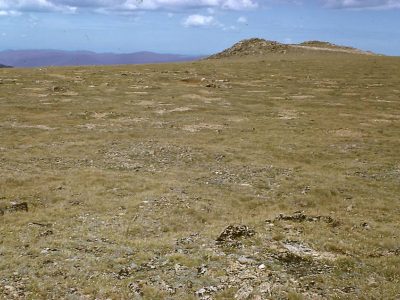
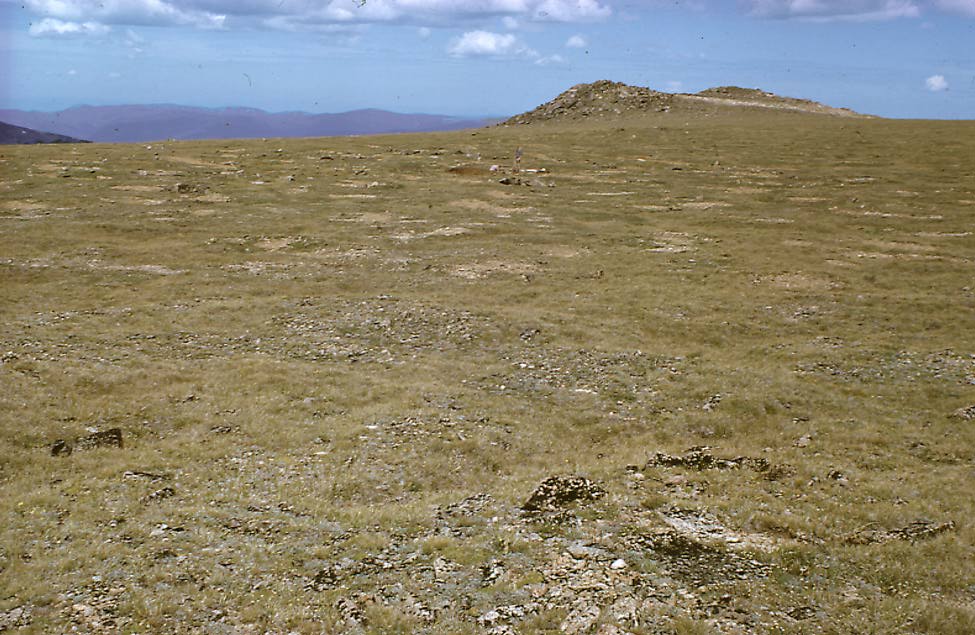
Alpine
An alpine landscape characterized by hardy, low‑growing vegetation adapted to cold temperatures and strong winds.
-
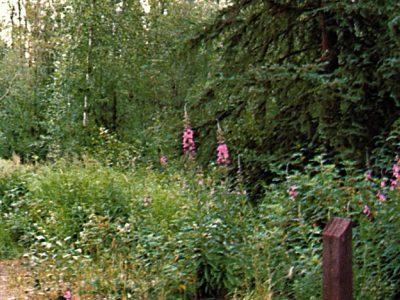
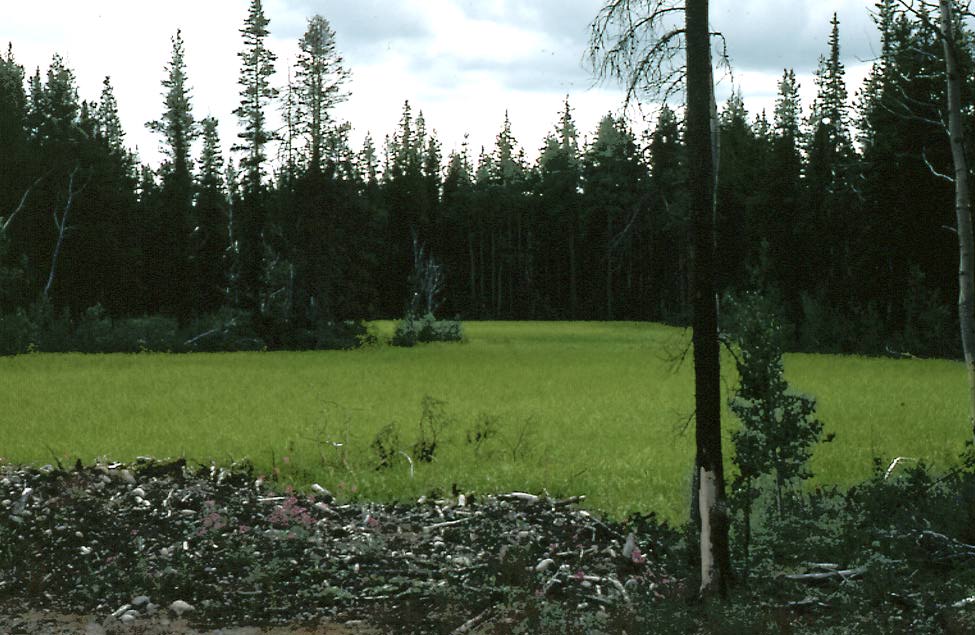
Boreal forest
A boreal forest landscape of northern British Columbia, shaped by long cold winters and short cool summers. This forest forms part of Canada’s vast boreal zone.
-
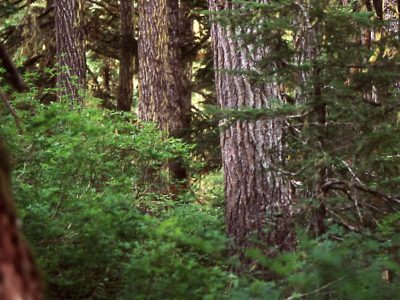
Coastal forest
A coastal forest of British Columbia shaped by the cool, wet climate of the Pacific coast, where conifers thrive.
-
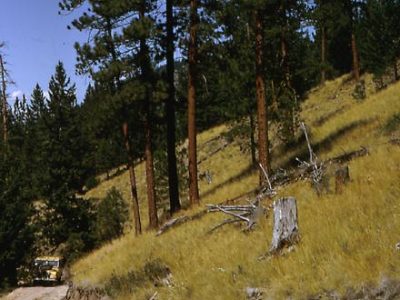
Dry Forest
A dry forest ecosystem dominated by drought‑tolerant trees and open, sunny understory vegetation.
-
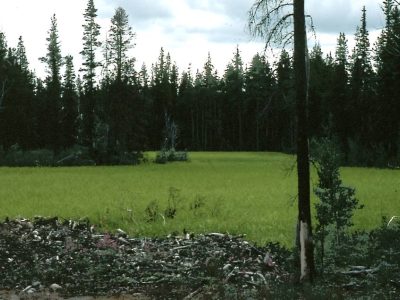
Fen
A peat‑forming wetland fed by mineral‑rich groundwater or streams.
-
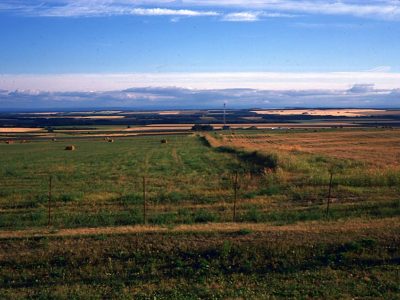
Forage cropland
A forage cropland landscape dominated by fields of grasses and legumes grown for livestock feed.
-
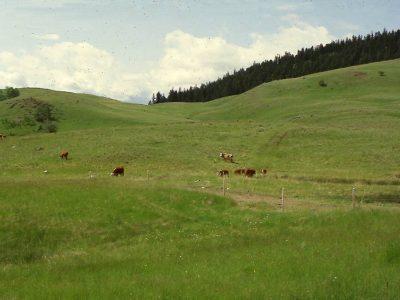
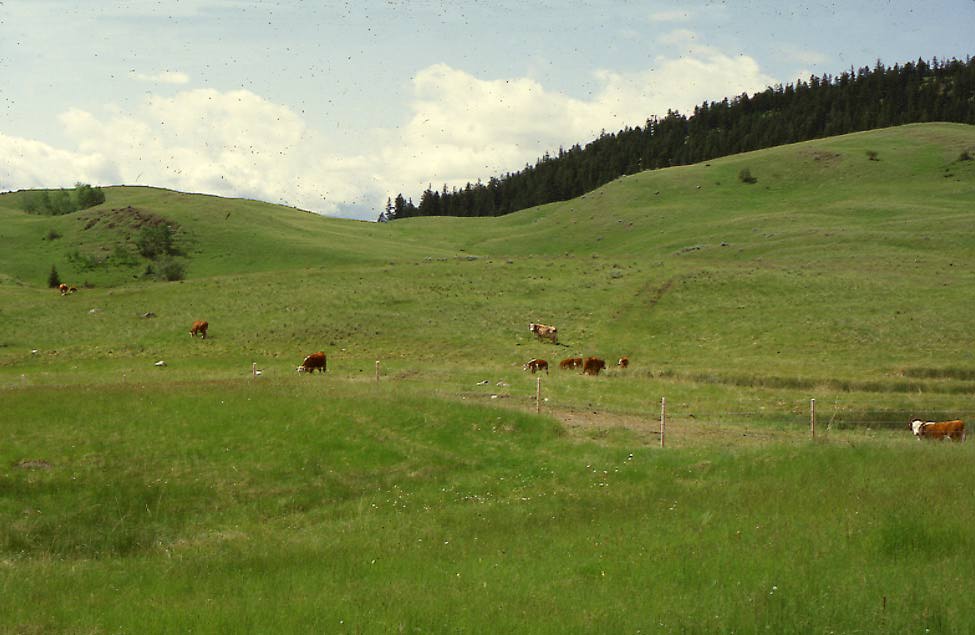
Grassland
A grassland landscape dominated by wide expanses of grasses and herbaceous plants, shaped by open sunlight, moderate moisture, and periodic fire or grazing.
-
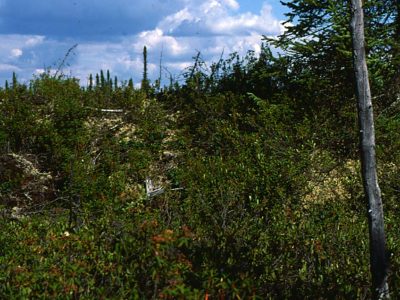
Shrubland
A shrubland environment dominated by dense, low woody shrubs.
-
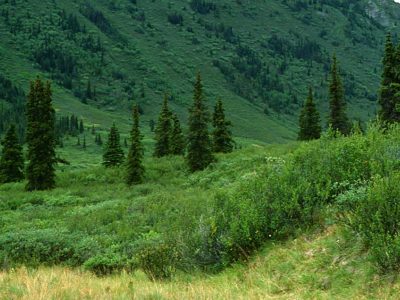
Sub-alpine forest
A subalpine forest characterized by cold‑tolerant conifers growing just below the alpine zone.
-
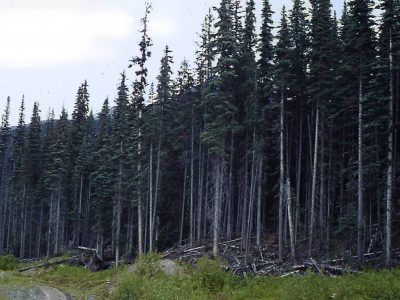
Sub-boreal Forest
A transitional coniferous forest found between cooler, higher elevation forests and warmer temperate zones.
-
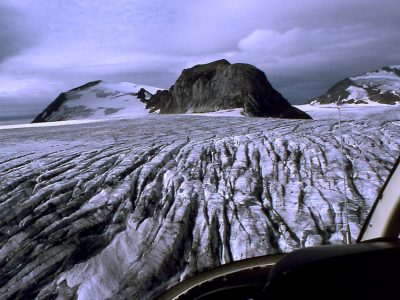
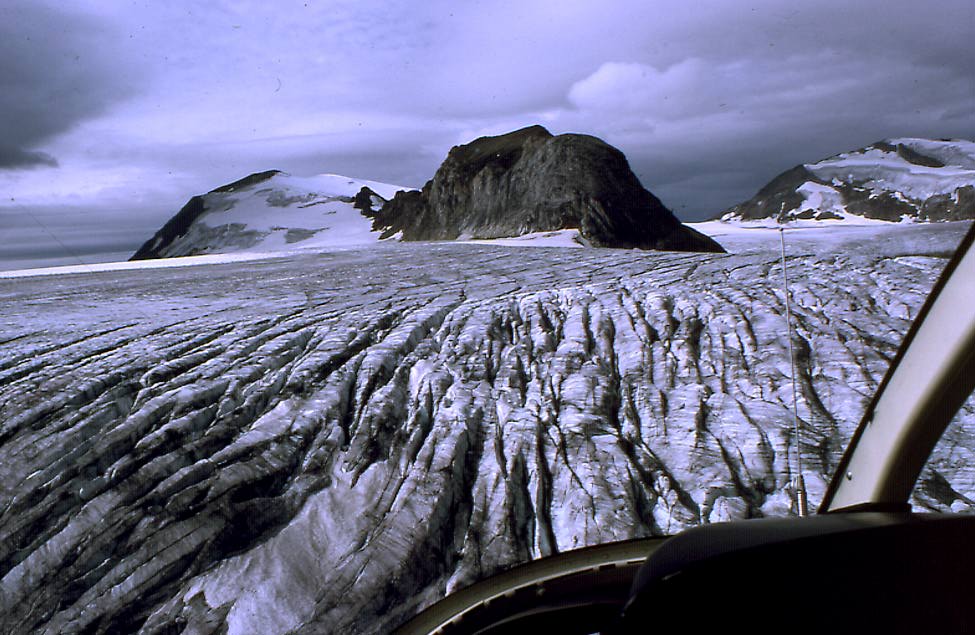
Unvegetated (rock and ice)
A stark, unvegetated landscape dominated by exposed rock and persistent ice.